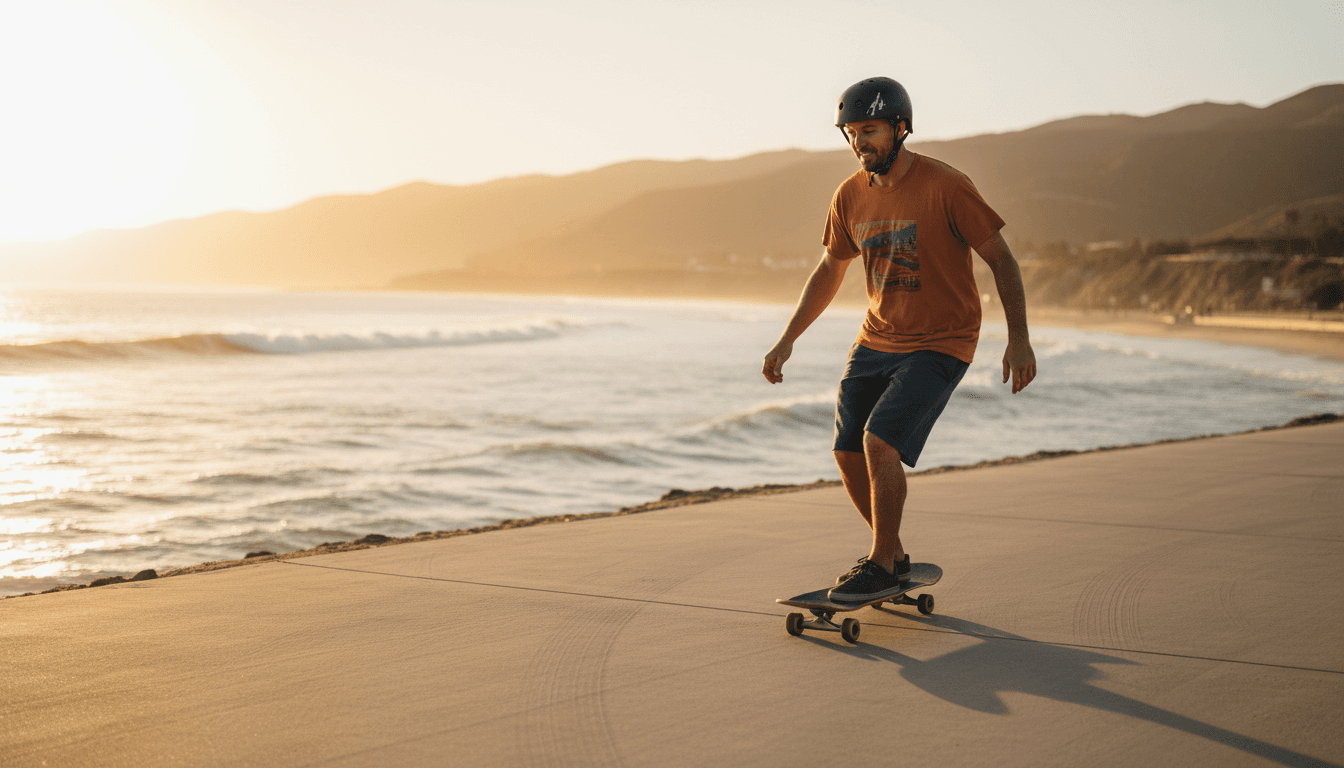

Success during your first time at a skatepark depends on respecting unwritten rules like waiting your turn, avoiding snaking, and staying aware of your surroundings. Beginners should observe the flow of traffic to understand established lines and keep obstacles clear when resting; following these etiquette basics ensures a safe and welcoming experience for everyone.
Standing at the edge of a concrete bowl for the first time often feels less like an invitation and more like a test of nerves. The rapid fire sound of wheels hitting transitions can be overwhelming, especially when you are worried about crossing paths or accidentally disrupting the rhythm of experienced riders. This initial hesitation is natural, yet it remains the primary barrier between a novice and their technical progression. Mastering the unspoken geometry of the park is just as essential as the physics of the board for your safety and the collective flow of the session. In this guide, we provide a professional blueprint for your debut, covering everything from essential gear and etiquette to finding your lines. You will learn how to navigate the park with confidence, even as an adult beginner, and why structured coaching is the most efficient path to mastery.
Preparation Before You Roll: What to Bring and What to Leave Behind

Approaching your first time at a skatepark requires a shift in mindset from casual recreation to intentional practice. While many ask, "Can you teach yourself to skateboard?" the answer is technically yes. However, true self-progression starts with an equipment check. Showing up with a proper setup is your first gesture of respect toward the park and the local community. It signals that you take the space and the safety of others seriously.
In the Malibu and Los Angeles area, the environment dictates your setup. Coastal humidity can quickly degrade the "pop" of a low-quality deck; meanwhile, our local parks often feature ultra-smooth concrete that requires specific wheel durometers for adequate grip. A premium minimalist approach focuses on quality over quantity. You do not need excessive accessories. Instead, focus on three high-quality essentials:
A Professional Grade Deck: Avoid plastic toy boards or mass-market completes. A seven-ply maple deck provides the structural integrity needed for safety and proper response on transitions.
Safety Gear that Moves: Invest in a certified helmet and low-profile pads. High-quality protection should be streamlined. It should protect your joints without restricting the range of motion required for skateboarding lessons for beginners.
Proper Footwear: Flat-soled skate shoes are non-negotiable for board feel and grip. Running shoes with thick foam midsoles lack the lateral stability needed for technical foot placement.
Starting with the right kit prevents the frustration of fighting your equipment rather than learning the physics of the board. If you are unsure if your current board is park-ready, we invite you to bring it to a free introductory lesson for a professional assessment before you head to the bowls.
The First 15 Minutes: Observing the Flow and Finding the Lines
Arriving with the correct gear is only half the preparation. The physical layout of a skatepark can be visually chaotic at first glance, which is why your first 15 minutes should be spent entirely off the board. Locate a perimeter bench or a designated spectator area that is not an obstacle itself. This observation period allows you to read the park, a skill that separates prepared beginners from those who cause accidental collisions.
Pay close attention to the lines being drawn across the concrete. In skateboarding, a line is the specific path a rider takes to link multiple obstacles together. A skater might start by rolling down a bank, carving a corner, and then aiming for a specific ledge. These paths are rarely straight; they are often circular or serpentine movements that utilize the park's natural contours. By watching, you will begin to see the invisible traffic lanes that most regulars follow intuitively. Identifying these patterns is a core component of skateboarding lessons for beginners because it ensures you are never an obstacle to others.
This is particularly important during sunset sessions at coastal parks in Malibu and Los Angeles. The low light and high density of skaters during these hours can make the environment feel frantic to the untrained eye. The golden hour often brings a faster pace of play. By dedicating your initial time to quiet observation, you learn to predict these patterns rather than reacting to them in a panic. If you are unsure of how to decipher these movements, a free introductory lesson can provide a structured walkthrough of how to navigate these spaces safely.
Developing this level of spatial awareness builds immediate confidence. You are no longer guessing where people will go; you are anticipating their next move. This proactive approach ensures your first time at a skatepark is defined by steady progression rather than the stress of a near miss. Once you understand the flow of the facility, you can begin to identify a quiet corner where you can safely transition from an observer to a participant.
Unspoken Skatepark Rules: How to Not Be a Snake
The transition from observer to participant requires an understanding of the social hierarchy that governs the concrete. These unwritten rules of skateboarding revolve around the concept of the "run." Every skater at the park is waiting for their specific window of space. Violating this window is known as "snaking." This occurs when you drop in or start your path while another skater is already mid-session or has clearly established they are next in the rotation. During your first time at a skatepark, snaking is often the result of accidental timing, but it is perceived as a lack of awareness and a disregard for the safety of others.
Establishing your place in the queue is a non-verbal process. Instead of looking for a physical line, look for eye contact. When you are standing at the top of a bank or near a ledge, a brief nod or a shared glance with the skaters around you confirms the order of operations. If you are ever in doubt, a quick "You got it?" to the person nearest you is the professional way to clear the path. This proactive communication ensures the flow of the park remains uninterrupted.
Your physical footprint also dictates how you are perceived. Avoid "camping," the practice of sitting or standing on obstacles like ledges, stairs, or the coping of a bowl when you are not actively using them. These are functional tools, not furniture. Furthermore, stay clear of landing zones, the specific areas where a skater will finish a trick or exit a ramp. Occupying these zones creates a collision risk that can result in significant injury for both parties.
Engaging with the community also involves "props" culture. When you see a fellow skater land a difficult maneuver, it is standard practice to tap your board on the concrete. This gesture acknowledges their effort and builds immediate social capital. By following these protocols, you move from being an outsider to an integrated member of the park. If the social dynamics of a public park feel overwhelming, starting with a free introductory lesson or structured skateboarding lessons for beginners can help you master these nuances in a controlled, professional environment before you test them in the wild.
Is 25 Too Late? Skatepark Advice for Young Adult Beginners
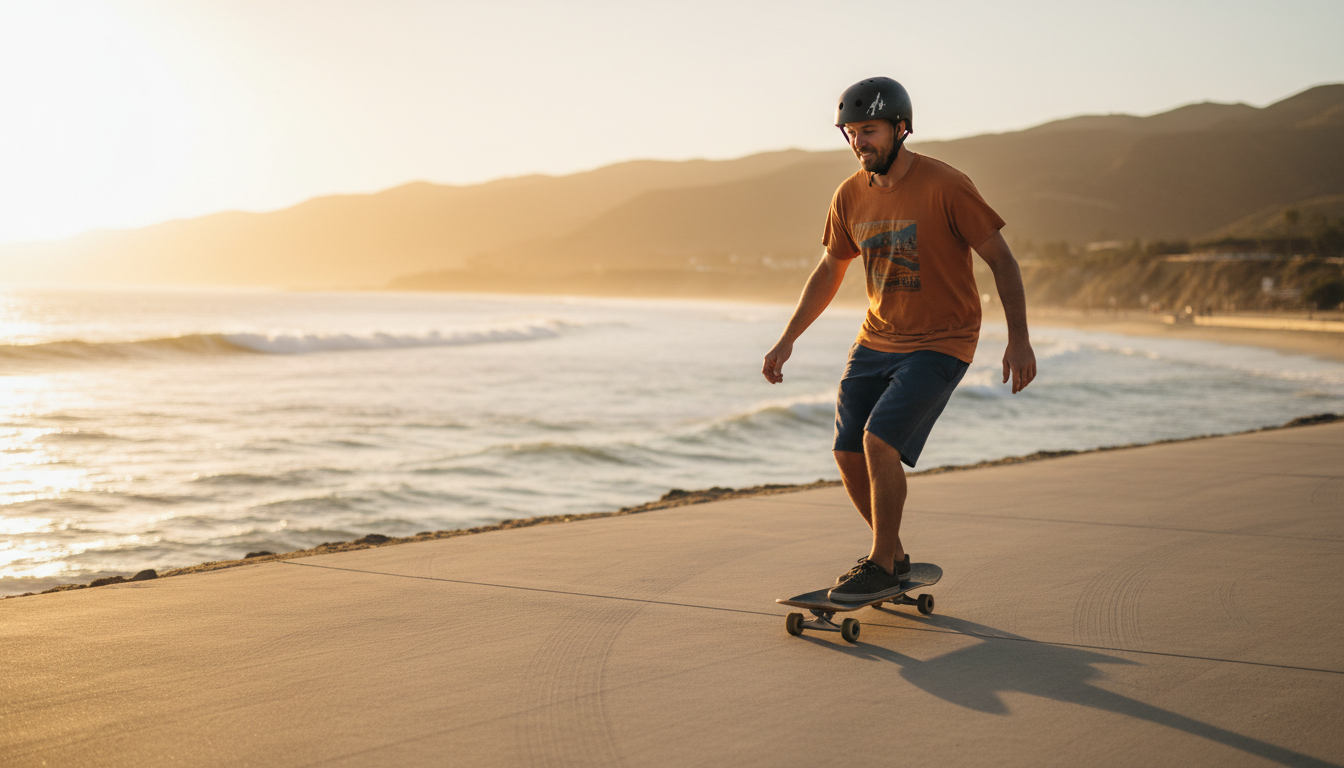
A common concern for those approaching the sport in their twenties is the frequently asked question, "Is 25 too late to start skateboarding?" The answer is a definitive no. While it is natural to feel a sense of hesitation when surrounded by teenagers who have been riding since childhood, the young adult demographic between 18 and 30 is one of the fastest growing segments in the Los Angeles skate community. Maturity brings a distinct advantage in terms of physical awareness and the ability to process technical instruction more analytically than a younger student might.
Fitting in at a local park has little to do with your trick list and everything to do with your tenacity. The community respects anyone who puts in the work, regardless of age. To maximize your comfort during your first time at a skatepark, we recommend targeting early morning sessions, often referred to as "Dawn Patrol," or weekday evenings after 8:00 PM. These windows typically see a higher concentration of adult riders and a more relaxed pace conducive to learning. For those who prefer a structured environment to build their foundation, adult skateboarding lessons provide a focused space to master the fundamentals away from the midday crowds. Starting at this stage of life allows you to leverage your coordination to progress safely and efficiently.
First Day Drills: Practical Skills to Practice at the Park
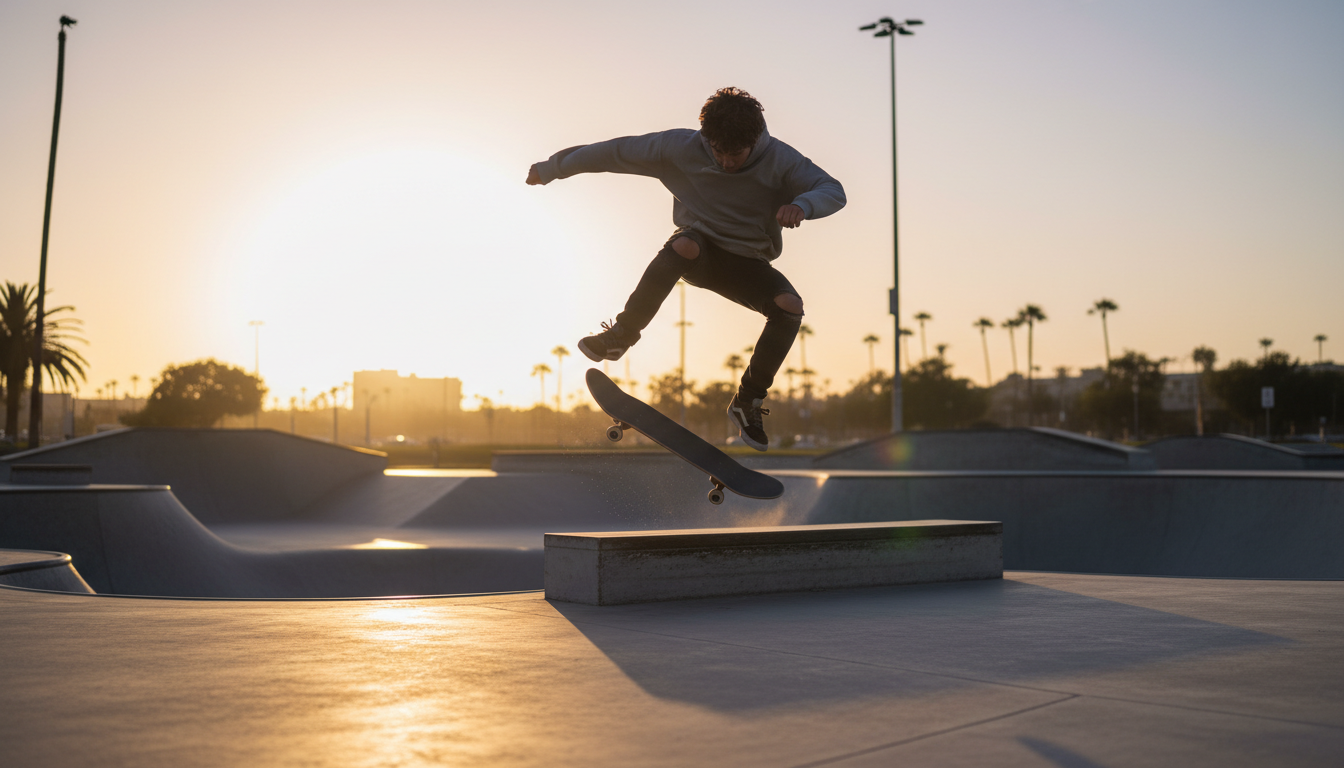
Building on that coordination requires a structured set of movements that prioritize board control over height or speed. Your first time at a skatepark should focus on three fundamental pillars: stance, pivot, and weight distribution. Before attempting any movement, identify if you ride regular, with your left foot forward, or goofy, with your right foot forward. Tony Hawk, for instance, is a famous goofy-footed skater. To find your natural orientation, notice which foot you instinctively use to push off the ground; that foot should typically be your back foot.
Spend your initial session on these three specific drills to build a mechanical baseline:
Flat Ground Kickturns: Practice lifting your front wheels by applying slight pressure to the tail. Pivot the board 45 degrees while stationary, then while rolling slowly. This skill is foundational for skateboarding lessons for beginners.
Rolling Down Small Banks: Find a mellow, flat-surfaced incline. Practice rolling from the top to the bottom with your shoulders parallel to the board. Keep your knees bent and your weight centered. Leaning too far back is the most common cause of falls on inclines.
Low Carving: Approach a small transition, a curved ramp, at a slight angle. Ride in a gentle arc across the face of the curve rather than going straight up. This teaches you how to manage the change in gravity as the surface angle shifts.
Avoid the temptation to drop in during your first visit. This maneuver carries a high risk of injury if your weight distribution is off by even an inch. Mastering these drills first provides the muscle memory needed for adult skateboarding lessons, where we refine these movements into more advanced park flow. If you are unsure of your foot placement, a free introductory lesson can help you lock in your stance before you hit the ramps.
The Safety Factor: Why Professional Coaching Bridges the Gap
Mastering drills on your own provides a starting point, but a professional coach acts as a filter for bad habits before they become ingrained. The most critical technical skill a beginner can learn is how to fall. In a public setting, instinct often leads to extending an open palm to break a fall; this frequently results in wrist fractures. Professional instruction teaches the tuck and roll method, shifting the impact from fragile joints to the large muscle groups of the shoulder and back. This controlled dissipation of energy keeps your head away from the concrete and ensures a minor spill does not end your session.
By opting for skateboarding lessons for beginners, you replace the trial and error of a public park with a structured, premium environment. This approach removes the intimidation factor often associated with the clumsy beginner phase. Instead of navigating the chaotic flow of a crowded bowl, you work within a clean, professional framework designed for rapid progression. For those looking to bridge the gap between their first push and confident park riding, adult skateboarding lessons offer the technical precision needed for longevity in the sport. Starting with a free introductory lesson ensures your first time at a skatepark is defined by calculated growth rather than avoidable injury.
Navigating your first session is all about respect, awareness, and safety. By following these basic rules, you ensure a better experience for yourself and everyone else at the park. While understanding etiquette helps you fit in, nothing compares to practicing under the physical guidance of an experienced skater. If you want expert help to build your confidence or master new tricks, you can find out more About our coaching and philosophy here. We are dedicated to supporting your journey from your very first push.